


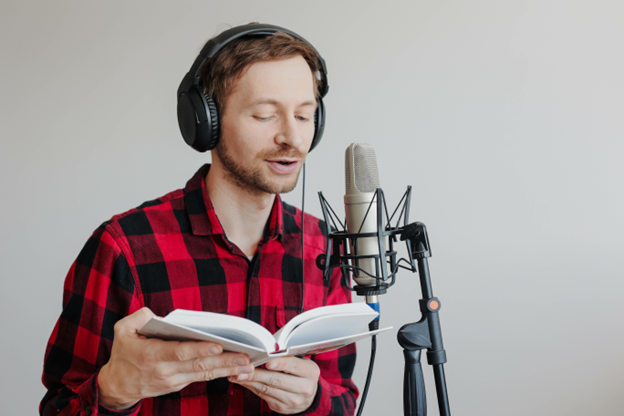
You’ve written a book. Congratulations! Now you’re thinking about turning it into an audiobook. It’s an exciting next step, but recording a book is quite different from simply reading it aloud.
Whether you plan to narrate it yourself or work with a professional voice actor, a little preparation can make the recording process much smoother.
Here are five things every author should know before recording their first audiobook.
1. Prepare More Than Just Your Manuscript
Recording an audiobook takes concentration, energy and vocal endurance. Even experienced narrators need to prepare before stepping into the studio.
Start by reading your manuscript aloud. This helps you identify awkward sentences, difficult passages, tongue-twisters and words that may need clarification. It’s much easier to address these issues before recording begins.
You should also consider the overall delivery:
- Where should you pause for emphasis?
- Are there sections that need a warmer or more emotional tone?
- Are there character voices or changes in perspective?
- Are there unusual names, places or technical terms that need specific pronunciations?
If you’re narrating your own book, practise reading for extended periods so you can become comfortable speaking naturally and consistently.
If you’re hiring a professional narrator, think about the voice and delivery that best suit your story, audience and writing style.
2. Mark Up Your Manuscript for Audio
A manuscript that’s easy to read silently isn’t necessarily easy to narrate.
Before recording, prepare a clean copy specifically for the audio session. Mark important pauses, emphasis, changes in tone and any pronunciation notes. If your book includes multiple characters, make notes about how their voices should differ.
It’s also helpful to create a pronunciation guide for character names, locations, unfamiliar words or specialized terminology. This gives everyone involved a consistent reference throughout the project.
Finally, divide the manuscript into manageable sections. Recording smaller portions makes it easier to stay focused, track progress and return to specific passages for retakes.
Think of audiobook narration as a performance, not a reading exercise.
3. Plan for More Recording Time Than You Expect
A finished audiobook may run for several hours, but recording it takes longer than simply speaking for that amount of time.
You’ll need to allow for:
- Reviewing the script and preparing each section.
- Repeating lines or paragraphs when something doesn’t sound quite right.
- Taking breaks to rest your voice.
- Reviewing recordings and making corrections.
- Editing, proofing and mastering the finished audio.
The time required depends on the length and complexity of your book, the narrator’s experience and the amount of post-production involved.
Avoid trying to record everything in one marathon session. A realistic schedule with regular breaks will help maintain a consistent performance and keep everyone focused.
4. Know What to Bring to the Studio
If you’re recording your audiobook in a professional studio, a few simple preparations can make your session more comfortable.
Bring:
- A clean, clearly marked copy of your manuscript.
- A pronunciation guide and any important narration notes.
- Water to keep your voice comfortable.
- Comfortable clothing that won’t rustle or squeak near the microphone.
Avoid noisy packaging, jewellery or accessories that could create unwanted sounds during recording. Silence your phone and give yourself a few minutes to settle in before starting.
It’s also helpful to arrive well-rested and give yourself time to warm up your voice.
And don’t worry if you stumble over a sentence. Retakes are a normal part of recording. Patience and a sense of humour go a long way!
5. Remember That Recording Is Only Part of the Process
Once the narration is complete, there’s still work to do before your audiobook is ready.
Post-production can include editing out mistakes and unwanted sounds, checking for consistency, correcting pronunciation issues and preparing the final audio files.
Before recording begins, confirm the technical requirements of your intended publisher or distribution platform. File formats, audio specifications and chapter organization can vary, so it’s best to know what’s required before production starts.
A little planning at the beginning can help avoid unnecessary revisions later.
Ready to Bring Your Book to Life?
Whether you want to narrate your own book or hire a professional voice actor, the right preparation and production support can make a big difference.
At On Air Audio Services, we work with authors and voice talent to bring written content to life through professional voiceover and narration services.
If you’re considering your first audiobook, we’d be happy to talk about your project and help you figure out the next steps.
Have a book ready for its audio debut? Contact On Air Audio Services to get started.