


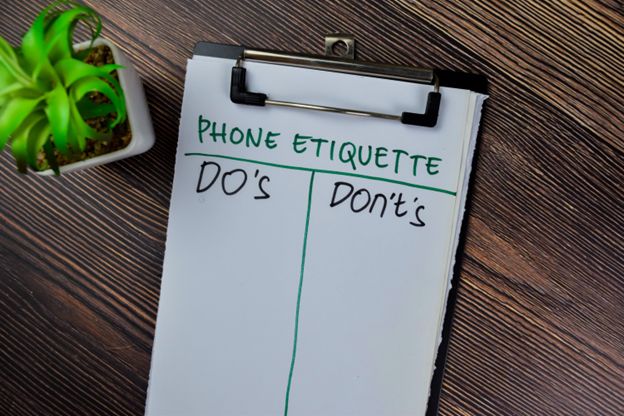
Remember when answering the business phone meant speaking directly with a friendly, knowledgeable person? While those days haven’t disappeared entirely, the way businesses handle incoming calls has certainly changed.
Today, customers are just as likely to hear an automated greeting, navigate a phone menu or listen to a recorded message as they are to speak with someone right away.
Technology has made managing calls more efficient, but it hasn’t changed one important thing: the way you communicate with callers shapes their impression of your business.
Good phone etiquette is still important. It just looks a little different than it used to.
The Modern Business Phone Experience
Automated phone systems, voicemail greetings and messages on hold have become everyday parts of business communication. They help companies manage incoming calls, direct customers to the right departments and provide information when employees aren’t available.
But there’s a difference between simply having a phone system and creating a positive experience for the people calling it.
Think about the last time you called a business and heard a greeting that was difficult to understand, a phone menu with confusing instructions or a recording that sounded flat and robotic.
Not exactly a welcoming introduction!
Your telephone system is often one of the first points of contact customers have with your business. If the experience feels disorganized or impersonal, it can leave the wrong impression before you’ve even had a chance to speak with them.
How to Bring Good Phone Etiquette Into the Digital Age
You don’t need someone answering every call to maintain a professional and welcoming telephone experience. The key is making sure your recorded messages communicate the same courtesy and professionalism you’d expect from a member of your team.
Here are three things to consider.
1. Start With a Welcoming Phone Greeting
Your initial greeting sets the tone for the entire call. It should identify your business, welcome the caller and provide clear instructions about what to do next.
Keep the wording conversational and straightforward. Avoid lengthy introductions or unnecessary information that makes it difficult for callers to understand their options.
Most importantly, choose a voice that reflects your brand. A friendly, natural delivery makes a much better introduction than a rushed or monotonous recording.
2. Make Your Phone Menus Easy to Follow
Automated phone menus are helpful when customers need to reach different departments or individuals. However, too many options, unclear instructions or outdated information can quickly become frustrating.
A few simple guidelines can make a difference:
- Keep menu options short and easy to understand.
- Organize departments in a logical order.
- Use clear instructions and consistent wording.
- Make sure information and extensions are up to date.
- Give callers a straightforward way to reach the appropriate person.
The goal is to help callers get where they need to go without making them work for it.
3. Don’t Forget About Callers on Hold
Sometimes, putting customers on hold is unavoidable. What they hear while waiting is another opportunity to demonstrate good phone etiquette.
Silence, repetitive music or poor-quality recordings can make the experience feel impersonal. A professionally produced message on hold gives callers something more useful to listen to.
Share information about your products and services, introduce current promotions or offer helpful reminders. Use a welcoming voice and keep the content relevant to your audience.
Even when customers are waiting, your business can continue communicating with them.
Good Phone Etiquette Starts With the Details
Phone etiquette isn’t just about what you say. It’s also about how you say it.
Clear instructions, a welcoming tone, natural-sounding voiceovers and good-quality audio all contribute to a more professional caller experience.
And while technology will continue to change how businesses communicate, the basics remain the same: respect your callers’ time, make information easy to understand and help people feel welcome.
Give Your Business Phone System a Professional Voice
At On Air Audio Services, we believe good phone etiquette is alive and well. It simply needs to keep pace with the way businesses communicate today.
We help businesses create professional telephone greetings, IVR prompts and messages on hold that sound natural, welcoming and consistent with their brand.
Whether you’re updating an existing phone system or setting up a new one, the right voice and carefully written messages can help make every call a better experience.
Because good customer service shouldn’t stop just because someone is listening to a recording.
Contact On Air to find out how we can help your business sound its best.