


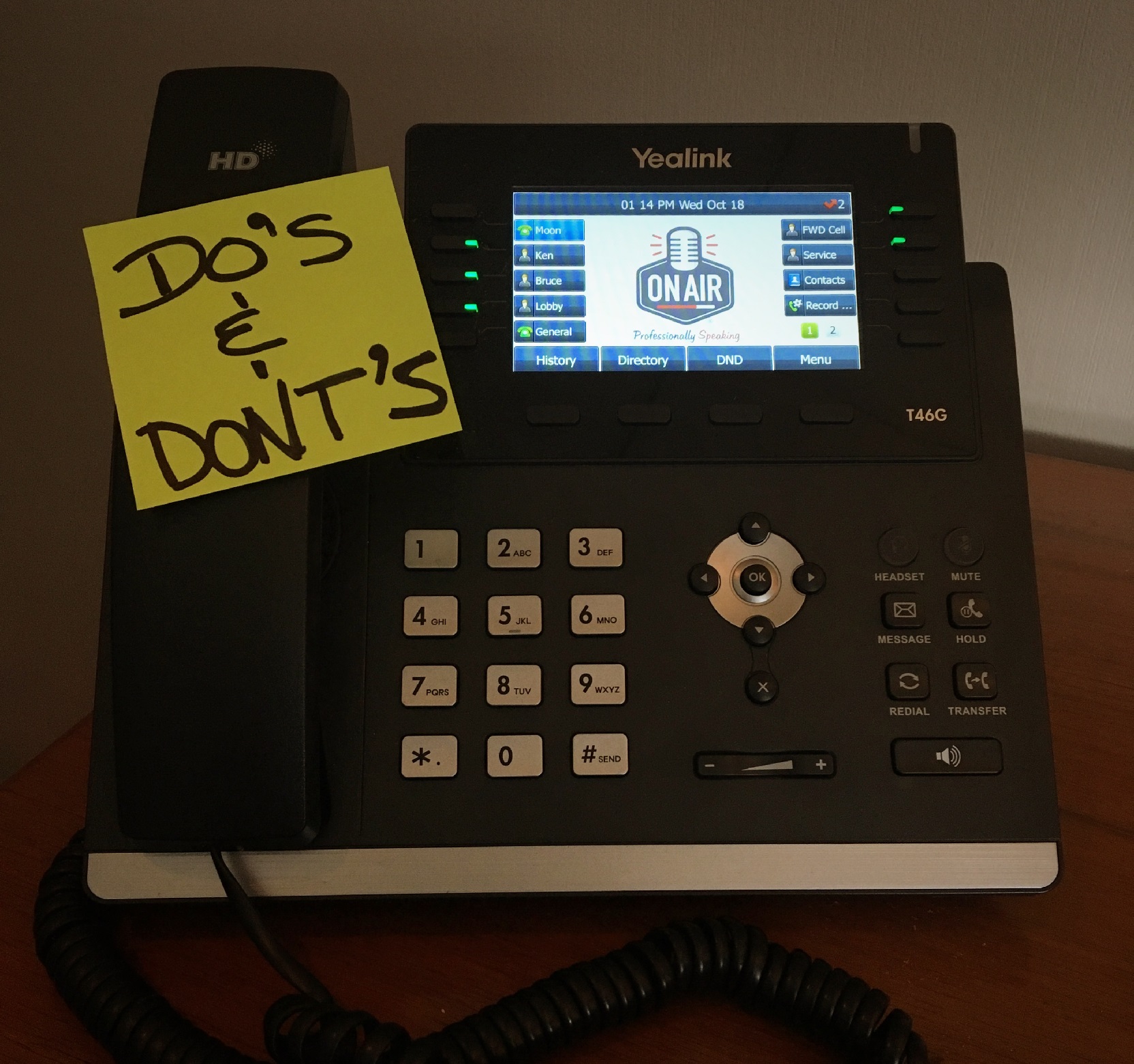
A voicemail greeting may be brief, but it still represents your business when you can’t answer the phone. A clear, friendly message lets callers know they’ve reached the right place and explains what to do next.
Whether you’re recording a personal business voicemail or setting up greetings for an entire team, a little planning can make your message sound more professional and helpful.
Here are five voicemail greeting dos and don’ts to keep in mind.
1. DO Sound Warm and Professional
Your voicemail greeting should reflect your business’s personality while making callers feel welcome. Aim for a tone that’s friendly, confident, and natural.
A professional voice recording can help you create a consistent sound across your voicemail greetings and other business communications. Choose a voice that suits your brand and is easy for your customers to understand.
Example:
“Hello, you’ve reached [Name] at [Company Name]. I’m unable to take your call right now, but please leave your name, phone number, and a brief message. I’ll get back to you as soon as I can. Thank you for calling.”
2. DON’T Be Too Casual or Vague
A voicemail greeting doesn’t need to sound formal or stiff, but it should give callers confidence that they’ve reached the right person or business.
A message like “Hey, it’s me. Leave a message!” might work for a personal phone, but it doesn’t tell a business caller much. They may not know whether they’ve reached the correct number or when to expect a response.
Keep your greeting conversational, but include the details callers need.
Instead of: “I’m not here. Leave a message.”
Try: “Thank you for calling [Company Name]. I’m away from my desk at the moment. Please leave a message, and I’ll return your call as soon as possible.”
3. DO Tell Callers What to Expect
A useful voicemail greeting answers three simple questions:
- Who have they reached? State your name, department, or company.
- What should they do? Ask them to leave their name, contact information, and a brief message.
- When can they expect a response? Provide a realistic timeframe if you can.
If you’re away for an extended period, update your greeting to explain when you’ll return or direct callers to someone who can help in your absence.
Only promise a response time your team can reasonably meet. If you don’t know when you’ll be available, a general statement about returning calls as soon as possible is better than setting an expectation you may not meet.
4. DON’T Turn Your Greeting Into a Sales Pitch
Your voicemail greeting should help callers leave a message, not make them listen to a lengthy list of products, services, and promotions.
Keep the message short and focused on the caller’s next step. If you need to share more detailed information about your business, a greeting is usually not the best place for it.
Instead, use your message on hold to share relevant services, current promotions, helpful reminders, or other information while callers wait to speak with your team.
There’s no universal time limit for every voicemail greeting, but shorter messages are generally easier to follow. Include what callers need and leave out anything that doesn’t help them take the next step.
5. DO Keep Your Greeting Current and Consistent
An outdated greeting can confuse callers. They might hear old business hours, an expired promotion, or information about an employee who is no longer available.
Review your voicemail messages regularly, especially when:
- Business hours change.
- Employees take holidays or extended leave.
- Staff responsibilities or contact details change.
- Your business closes for a statutory holiday.
If your company has several departments or locations, consistent wording and voice delivery can also help create a more unified caller experience.
Make a Good Impression, Even When You Can’t Answer
Your voicemail greeting is a small but important part of your customer experience. A warm voice, clear instructions, and realistic expectations help callers understand what to do and what happens next.
At On Air Audio Services, we produce professional voicemail greetings and telephone recordings that help businesses sound clear, welcoming, and consistent. From individual greetings to IVR and VoIP phone prompts, we can help you create audio that reflects your brand.
Ready to update your voicemail greeting? Contact On Air Audio Services to discuss your recording needs.